From the dream of reaching the Moon to the birth of a new economy: the legacy that transformed the world
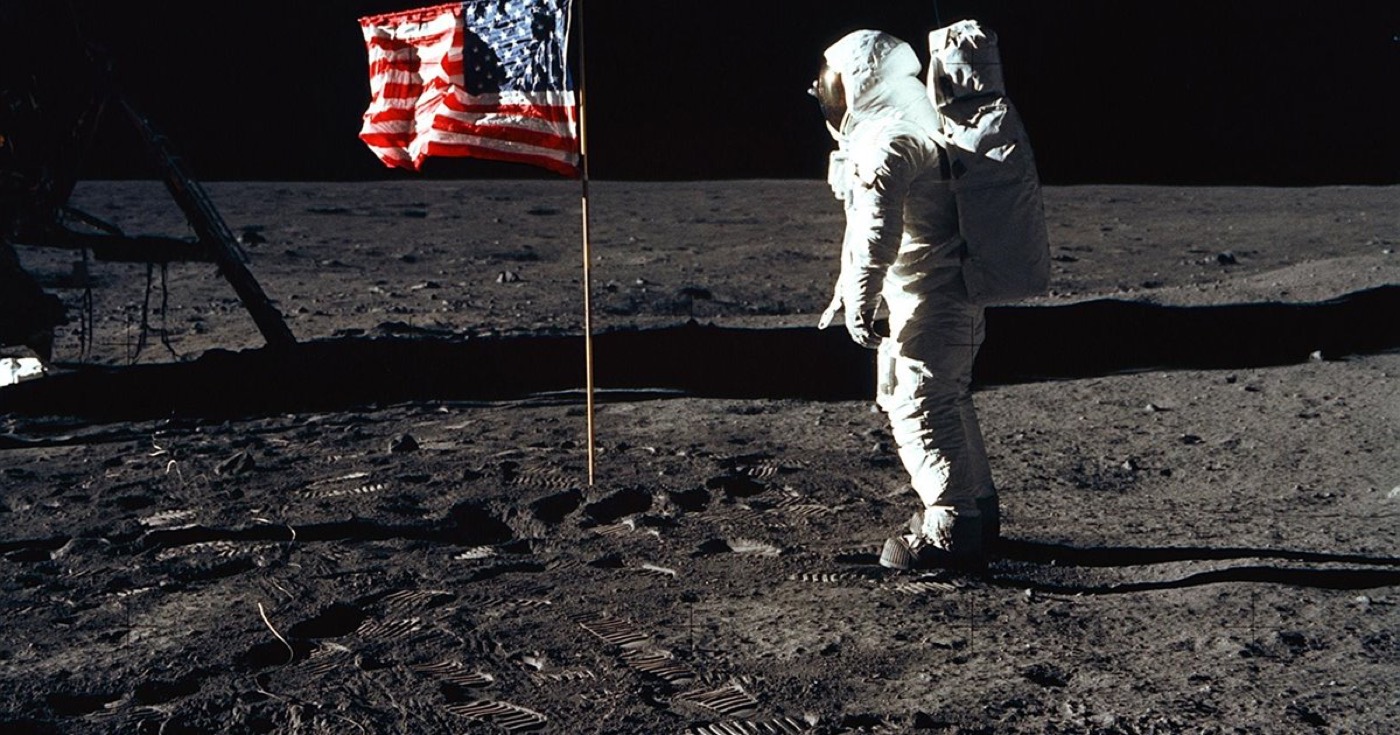
On July 20, 1969 humanity reached the Moon. The image of Neil Armstrong taking «one small step for man» travelled the planet and was immortalised as one of the greatest milestones in history. The real revolution, however, began once the mission was over.
Until that moment, space exploration was mainly a geopolitical race between the United States and the Soviet Union. After the Apollo program, space stopped being solely a stage for political competition and became one of the greatest engines of technological innovation, industrial development and economic growth of the last century.
Putting three astronauts on the Moon meant solving thousands of technological problems the world did not yet know how to face. Smaller and more reliable computers had to be built, new navigation systems developed, telecommunications perfected, ultralight and resistant materials manufactured, high-precision sensors created and electronic components produced to a quality never achieved before.
That challenge mobilised some 400,000 people and more than 20,000 companies, universities and research centres working in a coordinated way. What began as a space mission ended up becoming a vast policy for technological and industrial development.
The demand generated by Apollo accelerated microchip manufacturing, drove down costs and allowed computing to start leaving the laboratories to reach, years later, companies, homes and schools. Many of the companies that would later lead the technological revolution grew thanks to that innovation ecosystem, while thousands of small and medium-sized firms became suppliers to a completely new industry.
The impact went far beyond the aerospace sector. Technologies developed to reach the Moon began to be used in medicine, the automotive industry, aviation, telecommunications, food production, navigation systems, construction materials and, decades later, in the smartphones that are now part of everyday life.
In other words, the Apollo program showed that investment in science and technology does not only produce benefits for one specific sector: it generates knowledge, creates companies, drives suppliers, trains highly qualified professionals and opens entirely new markets.
More than half a century later, the world is going through a new stage of that transformation. The so-called New Space Economy is no longer driven by government agencies alone. Private companies, startups, investment funds, universities and productive sectors take part in an industry that moves hundreds of billions of dollars and brings together artificial intelligence, satellite services, Earth observation, mining, energy, telecommunications, logistics and precision agriculture.
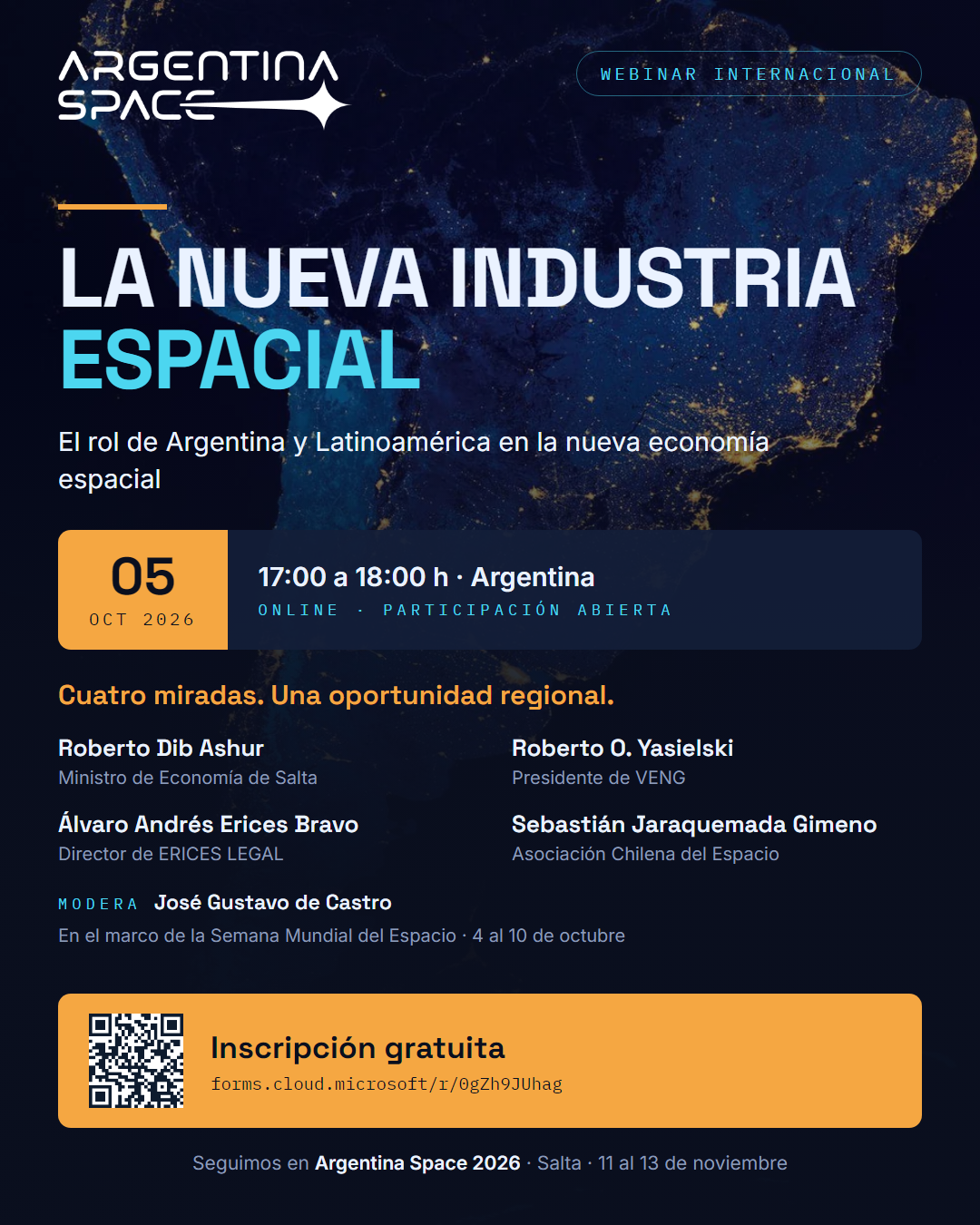
It is in that context that Argentina Space 2026 will take place, from November 11 to 13 in Salta. The event aims to bring together companies, investors, public agencies, universities and entrepreneurs to strengthen an ecosystem that turns space knowledge into productive development.
The challenge is similar to the lesson left by the Moon landing: understanding that space does not create impact only when a rocket lifts off or a satellite is placed in orbit. Its real value appears when that innovation becomes new industries, skilled jobs, competitive companies and solutions for the real economy.
Fifty-seven years ago, reaching the Moon changed the history of space exploration. It also changed the way the world understood the relationship between science, industry and economic development.
The new space economy seeks to prove once again that great transformations do not happen only beyond Earth: they begin there, but they end up changing the lives, the production and the opportunities of millions of people.